Dianyang Outlines Key Factors for Selecting Smartphone Thermal Cameras
SHENZHEN, GUANGDONG, CHINA, October 29, 2026 /EINPresswire.com/ -- Smartphone thermal cameras are becoming a practical
Press Release Disclaimer: This is a press release distributed through the XPR Media network. It has not been independently verified by our newsroom.
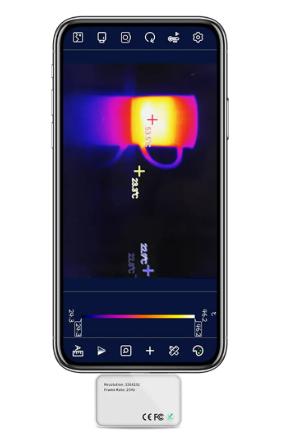

SHENZHEN, GUANGDONG, CHINA, October 29, 2026 /EINPresswire.com/ — Smartphone thermal cameras are becoming a practical option for portable infrared inspection, enabling users to identify temperature differences and examine heat distribution through a mobile device. When selecting smartphone thermal cameras, buyers need to consider infrared resolution, temperature measurement accuracy, device compatibility, image analysis functions, and application requirements. Shenzhen Dianyang Technology Co., Ltd. develops infrared thermal imaging solutions for industrial and commercial markets, including smartphone-connected thermal imaging products designed to support equipment maintenance, outdoor inspection, and other temperature-related assessment tasks.
Understanding the Role of Smartphone Thermal Cameras
Traditional thermal imaging equipment can provide valuable information about temperature distribution, but its size, cost, and operating requirements may affect its suitability for certain field applications. Smartphone thermal cameras offer an alternative by combining a compact infrared imaging device with compatible mobile hardware and dedicated software.
These devices detect infrared radiation emitted by objects and convert the collected information into thermal images. Differences in apparent surface temperature can help users identify potential hotspots, uneven heating, and other thermal patterns that may require further investigation.
For technicians and maintenance personnel, portable thermal imaging can support preliminary inspections without requiring a larger standalone camera for every task. Applications may include checking electrical equipment, examining heating systems, investigating suspected insulation problems, and monitoring temperature variations in machinery.
Founded in 2013, Shenzhen Dianyang Technology Co., Ltd. specializes in the research, development, and manufacturing of infrared thermal imaging products. Its portfolio includes smartphone thermal cameras, handheld thermal imaging cameras, stationary PCBA thermal imaging equipment, and non-destructive testing systems. The company serves industrial, commercial, and other specialized markets through its broader thermal imaging product range.
Infrared Resolution Determines the Level of Image Detail
Infrared resolution is one of the first specifications buyers should evaluate. It describes the number of pixels used to represent a thermal image and influences how clearly temperature patterns and smaller thermal features can be distinguished.
Dianyang’s smartphone thermal camera product information lists detector resolution options of 256 × 192 and 160 × 120. A 256 × 192 detector provides more image pixels than a 160 × 120 detector, which can be beneficial when inspecting relatively small components or distinguishing nearby heat patterns.
However, resolution should not be considered in isolation. The distance between the camera and the target, the lens field of view, the target’s size, and the temperature contrast within the scene also influence the information available in an image.
For example, an electrician examining a distribution panel may need to distinguish between several adjacent connection points. A building inspector investigating a broad wall surface may prioritize field of view and coverage. Buyers should therefore match detector resolution to the size of the objects being inspected and the expected working distance.
Temperature Measurement Functions Support Practical Analysis
Thermal images become more useful when users can examine temperature values rather than relying only on color differences. Measurement functions help identify areas that may require closer inspection and provide additional context for maintenance decisions.
Dianyang’s listed smartphone thermal camera features include point, line, and regional temperature measurement, as well as automatic tracking of high and low temperatures. These functions allow users to examine a selected location, assess temperature variation along a line, or review a defined region of an image.
The product specifications also list a temperature measurement range of approximately -15°C to 600°C and measurement accuracy of ±2°C or ±2% of the reading, subject to the applicable model and measurement conditions. Buyers should verify the exact specification of their selected device before placing an order.
Measurement accuracy can be influenced by factors such as surface emissivity, distance, reflected infrared radiation, environmental conditions, and the temperature characteristics of the target. Consequently, smartphone thermal cameras should be selected according to the actual measurement requirements rather than the widest advertised range alone.
For industrial users, it is also important to distinguish between screening applications and measurements that require formal calibration or traceable results. Thermal imaging can help locate unusual temperature patterns, but critical findings may require confirmation using additional instruments or established inspection procedures.
Mobile Compatibility and Software Affect Everyday Usability
A smartphone thermal camera must work reliably with the user’s mobile device. Physical connectivity, operating system compatibility, software functions, and power consumption can all affect its suitability for regular field use.
Dianyang’s listed mobile thermal imaging product uses a USB Type-C interface and a dedicated Android application. The product information describes a compact design intended to connect directly to a compatible smartphone for thermal image viewing and analysis.
Before purchasing, buyers should confirm whether the target smartphone supports the required interface and operating system. They should also review the application’s supported functions, installation requirements, image storage options, and available language settings.
Image presentation is another important consideration. Dianyang lists several image modes and six color palettes for its smartphone thermal imaging product. Different palettes can make temperature patterns easier to interpret in different environments, although color selection does not replace quantitative temperature measurement.
A practical evaluation should include connecting the device, opening the application, capturing a thermal image, measuring a selected area, and exporting or storing results where required. Testing these functions before deployment can help identify compatibility issues and reduce interruptions during inspection work.
Portability Expands the Range of Inspection Applications
Compact dimensions and low power consumption can make smartphone thermal cameras useful for technicians who need to carry inspection equipment throughout the working day.
Potential applications include electrical maintenance, HVAC servicing, outdoor inspections, building diagnostics, vehicle maintenance, and preliminary checks for unusual heat distribution. In electrical systems, thermal imaging may help identify connections or components that operate at temperatures different from comparable parts. In HVAC work, it can help visualize temperature differences around heating and cooling equipment. In building inspections, thermal patterns may provide clues about insulation irregularities or suspected moisture-related issues, although additional testing is often necessary to establish the cause.
Dianyang identifies equipment maintenance, outdoor search, and air-conditioning maintenance among the applications for its mobile thermal imaging products. The broader company portfolio also serves sectors such as power utilities, manufacturing, automobile diagnostics, solar power, building inspection, and security.
Actual performance depends on the selected model, the operating environment, and the inspection procedure. Buyers should determine whether the device is intended for occasional troubleshooting, routine maintenance, or more demanding professional inspection work before comparing available configurations.
Manufacturing Quality and Supplier Support Remain Important
Technical specifications are only one part of the supplier evaluation process. Buyers should also consider manufacturing consistency, product testing, documentation, and the supplier’s ability to support repeat purchases.
Dianyang reports that it operates within the manufacturing infrastructure of its parent company, VHD Group. The company’s published information describes production resources that include surface-mount technology lines, CNC machining centers, injection molding systems, and dust-controlled workshops.
Dianyang also states that its products undergo testing and that its product portfolio has achieved certifications including CE, FCC, and RoHS. Buyers should confirm which certifications and supporting documents apply to the specific model and destination market under consideration.
For business purchasers, additional questions may cover sample availability, production lead times, packaging, warranty terms, technical assistance, and the availability of product documentation. These factors are especially relevant when smartphone thermal cameras will be incorporated into a distributor’s product portfolio or used across multiple service teams.
A Structured Approach to Smartphone Thermal Camera Selection
Selecting a suitable smartphone thermal camera requires balancing image detail, measurement capabilities, mobile compatibility, portability, and supplier reliability. Buyers should begin by defining the inspection task, then compare detector resolution, temperature measurement specifications, field of view, software functions, and supported devices.
Dianyang’s mobile infrared thermal imaging products provide one option for businesses and professionals evaluating compact thermal inspection equipment. Its wider experience in infrared imaging technology and its portfolio of products for industrial and commercial applications offer context for buyers assessing potential suppliers.
A clear understanding of technical requirements, followed by sample testing and specification verification, can help organizations select equipment that aligns with their intended inspection procedures and operating conditions.
For more information about Dianyang’s infrared thermal imaging solutions and smartphone thermal cameras, visit the official website: https://www.dyt-ir.com/
Shenzhen Dianyang Technology Company
Shenzhen Dianyang Technology Company
+ +86 75528505260
bill.chen@dianytech.com
Legal Disclaimer:
EIN Presswire provides this news content “as is” without warranty of any kind. We do not accept any responsibility or liability
for the accuracy, content, images, videos, licenses, completeness, legality, or reliability of the information contained in this
article. If you have any complaints or copyright issues related to this article, kindly contact the author above.

Media gallery